Buy photoshop-tutorials.be ?
We are moving the project
photoshop-tutorials.be .
Are you interested in purchasing the domain
photoshop-tutorials.be ?
domain@kv-gmbh.de · 0541-91531010
Buy photoshop-tutorials.be ?
What is chimney soot?
Chimney soot, also known as creosote, is a black, oily substance that accumulates inside chimneys when wood or fossil fuels are burned. It is a byproduct of incomplete combustion and consists of carbon particles and other chemicals. Soot buildup can be a fire hazard and should be regularly cleaned from chimneys to prevent chimney fires. **
What does diesel soot mean?
Diesel soot refers to the fine particles of carbon that are emitted from diesel engines as a byproduct of combustion. These particles are a type of air pollution and can contribute to respiratory issues and other health problems when inhaled. Diesel soot can also contribute to the formation of smog and have environmental impacts such as harming plant life and contaminating water sources. **

Similar search terms for Soot
Top-Angebote
Products related to Soot:
-
What is ash and soot?
Ash and soot are both forms of residue left behind after the combustion of organic or inorganic materials. Ash is the powdery substance that remains after something has been burned, such as wood or paper. Soot, on the other hand, is a black, powdery or flaky substance that is primarily composed of carbon and is produced by the incomplete combustion of organic matter. Both ash and soot can be harmful to human health and the environment if not properly managed. **
-
Does the radiator produce soot?
No, radiators do not produce soot. Soot is typically produced by the incomplete combustion of carbon-containing materials such as wood, coal, or oil. Radiators, on the other hand, are used to transfer heat from hot water or steam to the surrounding air, and do not produce soot as a byproduct of their operation. If soot is present in the vicinity of a radiator, it is likely coming from another source such as a fireplace, stove, or furnace. **
-
How can you remove exhaust soot?
To remove exhaust soot, you can start by washing the affected area with a mixture of warm water and mild soap. Scrub the soot gently with a soft brush or sponge to loosen it from the surface. For tougher stains, you can use a specialized automotive cleaner or degreaser. Rinse the area thoroughly with clean water and dry it with a microfiber cloth to prevent water spots. Repeat the process if necessary until the exhaust soot is completely removed. **
-
What are soot particles on the ground?
Soot particles on the ground are small, black particles that result from the incomplete combustion of carbon-based materials such as wood, coal, or oil. They are often produced by vehicles, industrial processes, and wildfires. Soot particles can contribute to air pollution and have negative effects on human health and the environment. When they settle on the ground, soot particles can create a layer of black residue that can be harmful if inhaled or ingested. **
'How do you remove soot before painting?'
To remove soot before painting, start by vacuuming the affected area to remove loose soot particles. Then, use a dry chemical sponge or a cleaning solution specifically designed for soot removal to gently wipe the surface. Be sure to wear gloves and a mask to protect yourself from inhaling the soot particles. After cleaning, allow the area to dry completely before applying primer and paint. If the soot has deeply penetrated the surface, you may need to use a specialized primer to seal in the soot stains before painting. **
How do you remove soot from walls?
To remove soot from walls, start by using a dry sponge or a vacuum with a brush attachment to gently remove as much loose soot as possible. Then, mix a solution of warm water and mild dish soap, and use a sponge to gently scrub the affected areas. For stubborn soot stains, you can try using a specialized soot sponge or a cleaning product specifically designed for soot removal. It's important to test any cleaning solution in a small, inconspicuous area first to ensure it doesn't damage the wall surface. **
Top-Angebote
Products related to Soot:
-
Kiss My Lash But Better faux-cils 02 No Filters 1 une paire deKISS My Lash But Better, 1 pair, Faux-cils pour femme, Vous souhaitez donner une nouvelle dimension à votre maquillage avec une frange de cils démultipliée et vous sentir vraiment unique ? Les faux cils KISS My Lash But Better intensifieront votre regard à tel point que vos yeux seront au centre de l’attention. Vous pourrez ainsi facilement et rapidement obtenir le regard lumineux et intensifié que vous souhaitez, sans avoir à appliquer de multiples couches de mascara ou à vous rendre dans un salon d’extension de cils. Le produit : conviennent pour un usage quotidien attachés à une fine bande adhésive transparente fournis avec de la colle les cils paraissent immédiatement plus longs et plus volumineux Mode d’emploi : Vous pouvez couper les faux-cils pour leur donner la longueur souhaitée en fonction de la taille de vos yeux. Appliquez de la colle sur la bande, laissez-la sécher quelques instants et collez-la sur la paupière, le plus près possible de vos cils.6,66 €*Shipping: 3,45 €Secure redirect to the provider
-
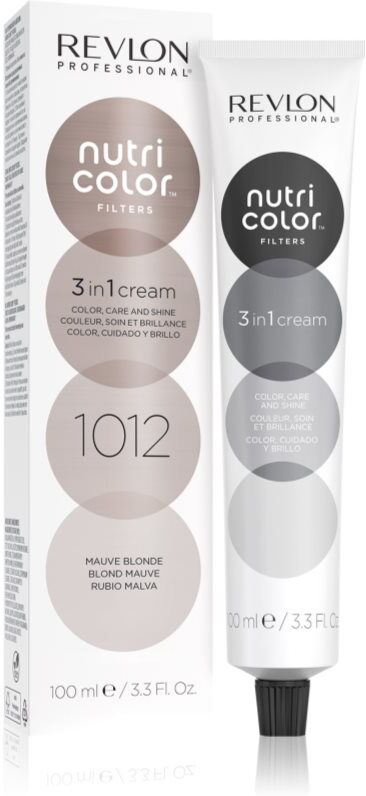
Revlon Professional Nutri Color Filters Metal-Ice masque colorant nourrissant à usage professionnel 100 mlRevlon Professional Nutri Color Filters Metal-Ice, 100 ml, Colorations semi-permanentes cheveux pour femme, Le produit : offre une belle brillance aux cheveux couleur vibrante et pleine de reflets20,90 €*Shipping: 3,45 €Secure redirect to the provider
-
What is chimney soot?
Chimney soot, also known as creosote, is a black, oily substance that accumulates inside chimneys when wood or fossil fuels are burned. It is a byproduct of incomplete combustion and consists of carbon particles and other chemicals. Soot buildup can be a fire hazard and should be regularly cleaned from chimneys to prevent chimney fires. **
-
What does diesel soot mean?
Diesel soot refers to the fine particles of carbon that are emitted from diesel engines as a byproduct of combustion. These particles are a type of air pollution and can contribute to respiratory issues and other health problems when inhaled. Diesel soot can also contribute to the formation of smog and have environmental impacts such as harming plant life and contaminating water sources. **
-
What is ash and soot?
Ash and soot are both forms of residue left behind after the combustion of organic or inorganic materials. Ash is the powdery substance that remains after something has been burned, such as wood or paper. Soot, on the other hand, is a black, powdery or flaky substance that is primarily composed of carbon and is produced by the incomplete combustion of organic matter. Both ash and soot can be harmful to human health and the environment if not properly managed. **
-
Does the radiator produce soot?
No, radiators do not produce soot. Soot is typically produced by the incomplete combustion of carbon-containing materials such as wood, coal, or oil. Radiators, on the other hand, are used to transfer heat from hot water or steam to the surrounding air, and do not produce soot as a byproduct of their operation. If soot is present in the vicinity of a radiator, it is likely coming from another source such as a fireplace, stove, or furnace. **
Similar search terms for Soot
-
How can you remove exhaust soot?
To remove exhaust soot, you can start by washing the affected area with a mixture of warm water and mild soap. Scrub the soot gently with a soft brush or sponge to loosen it from the surface. For tougher stains, you can use a specialized automotive cleaner or degreaser. Rinse the area thoroughly with clean water and dry it with a microfiber cloth to prevent water spots. Repeat the process if necessary until the exhaust soot is completely removed. **
-
What are soot particles on the ground?
Soot particles on the ground are small, black particles that result from the incomplete combustion of carbon-based materials such as wood, coal, or oil. They are often produced by vehicles, industrial processes, and wildfires. Soot particles can contribute to air pollution and have negative effects on human health and the environment. When they settle on the ground, soot particles can create a layer of black residue that can be harmful if inhaled or ingested. **
-
'How do you remove soot before painting?'
To remove soot before painting, start by vacuuming the affected area to remove loose soot particles. Then, use a dry chemical sponge or a cleaning solution specifically designed for soot removal to gently wipe the surface. Be sure to wear gloves and a mask to protect yourself from inhaling the soot particles. After cleaning, allow the area to dry completely before applying primer and paint. If the soot has deeply penetrated the surface, you may need to use a specialized primer to seal in the soot stains before painting. **
-
How do you remove soot from walls?
To remove soot from walls, start by using a dry sponge or a vacuum with a brush attachment to gently remove as much loose soot as possible. Then, mix a solution of warm water and mild dish soap, and use a sponge to gently scrub the affected areas. For stubborn soot stains, you can try using a specialized soot sponge or a cleaning product specifically designed for soot removal. It's important to test any cleaning solution in a small, inconspicuous area first to ensure it doesn't damage the wall surface. **
* All prices are inclusive of VAT and, if applicable, plus shipping costs. The offer information is based on the details provided by the respective shop and is updated through automated processes. Real-time updates do not occur, so deviations can occur in individual cases. ** Note: Parts of this content were created by AI.