Buy photoshop-tutorials.be ?
We are moving the project
photoshop-tutorials.be .
Are you interested in purchasing the domain
photoshop-tutorials.be ?
domain@kv-gmbh.de · 0541-91531010
Buy photoshop-tutorials.be ?
What does food habitat mean?
Food habitat refers to the specific environment or area where an organism can find the food it needs to survive and thrive. It includes the types of food available, the accessibility of the food source, and the interactions between different species competing for the same resources. Understanding the food habitat of an organism is crucial for conservation efforts and ecosystem management, as it helps in predicting how changes in food availability can impact the population dynamics of species. **
What habitat is the sandy seabed?
The sandy seabed is a habitat found in shallow coastal waters and the deep ocean. It is characterized by a bottom covered in sand particles, with little to no vegetation or coral reefs. This habitat is home to a variety of marine organisms such as sand dollars, flatfish, and certain species of sharks and rays. The sandy seabed provides a substrate for burrowing animals and is an important feeding ground for many species of fish. **

Similar search terms for Habitat
Top-Angebote
Products related to Habitat:
-
How are reptiles adapted to their habitat?
Reptiles are adapted to their habitat in several ways. Some of the key adaptations include: 1. Scales or shells: Reptiles have scales or shells that help protect them from predators and harsh environmental conditions. These structures also help reduce water loss through their skin. 2. Efficient metabolism: Reptiles have a slow metabolism which allows them to survive in environments with limited food resources. They can go for long periods without eating. 3. Behavioral adaptations: Reptiles have developed various behaviors to help them survive in their habitats. For example, some species bask in the sun to regulate their body temperature, while others burrow underground to escape extreme temperatures. 4. Camouflage: Many reptiles have evolved to blend in with their surroundings, making them less visible to predators or prey. 5. Specialized senses: Reptiles have specialized senses such as heat-sensing pits, which help them detect prey or predators in their environment. Overall, these adaptations help reptiles thrive in a wide range of habitats, from deserts to rainforests. **
-
How do lifespan and habitat influence jellyfish?
Lifespan and habitat play a significant role in influencing jellyfish populations. Different species of jellyfish have varying lifespans, with some living only a few months while others can live for several years. The habitat in which jellyfish reside also impacts their population dynamics, as certain environmental conditions such as temperature, salinity, and food availability can affect their growth and reproduction rates. Additionally, changes in habitat due to human activities, such as pollution and overfishing, can lead to an increase in jellyfish populations in some areas. **
-
What biotic factors characterize the desert habitat?
Biotic factors in the desert habitat include a variety of plant species that have adapted to the arid conditions, such as cacti, succulents, and drought-resistant shrubs. In addition, desert habitats are home to a diverse range of animal species, including reptiles like snakes and lizards, mammals like coyotes and kangaroo rats, and birds like roadrunners and owls. These biotic factors have evolved to survive in the harsh desert environment, often with specialized adaptations for conserving water and finding food in the sparse landscape. **
-
What is the habitat of Corydoras hastatus?
Corydoras hastatus, also known as the dwarf corydoras or pygmy corydoras, is a small freshwater fish native to South America. It is found in the upper Orinoco and Negro river basins in Brazil and Venezuela. These fish inhabit slow-moving, shallow waters with sandy or muddy substrates, as well as areas with dense vegetation and leaf litter. They prefer well-oxygenated water and are often found in small tributaries, streams, and flooded forest areas. **
What is a habitat for an aquarium?
A habitat for an aquarium is a carefully designed environment that mimics the natural living conditions of the aquatic species being housed. It includes elements such as water quality, temperature, lighting, plants, rocks, and hiding spots to ensure the health and well-being of the fish or other aquatic animals. Creating a suitable habitat is essential for the inhabitants to thrive and exhibit their natural behaviors. Regular maintenance and monitoring of the habitat are also crucial to keep the aquarium ecosystem stable. **
How have crocodiles adapted to their habitat?
Crocodiles have adapted to their habitat in several ways. Their streamlined bodies and webbed feet help them move swiftly through water, making them efficient hunters. Their ability to regulate their body temperature by basking in the sun or cooling off in the water allows them to thrive in a range of environments. Their powerful jaws and sharp teeth are well-suited for catching and consuming prey, making them top predators in their ecosystems. **
Top-Angebote
Products related to Habitat:
-
Kiss My Lash But Better faux-cils 02 No Filters 1 une paire deKISS My Lash But Better, 1 pair, Faux-cils pour femme, Vous souhaitez donner une nouvelle dimension à votre maquillage avec une frange de cils démultipliée et vous sentir vraiment unique ? Les faux cils KISS My Lash But Better intensifieront votre regard à tel point que vos yeux seront au centre de l’attention. Vous pourrez ainsi facilement et rapidement obtenir le regard lumineux et intensifié que vous souhaitez, sans avoir à appliquer de multiples couches de mascara ou à vous rendre dans un salon d’extension de cils. Le produit : conviennent pour un usage quotidien attachés à une fine bande adhésive transparente fournis avec de la colle les cils paraissent immédiatement plus longs et plus volumineux Mode d’emploi : Vous pouvez couper les faux-cils pour leur donner la longueur souhaitée en fonction de la taille de vos yeux. Appliquez de la colle sur la bande, laissez-la sécher quelques instants et collez-la sur la paupière, le plus près possible de vos cils.6,66 €*Shipping: 3,45 €Secure redirect to the provider
-
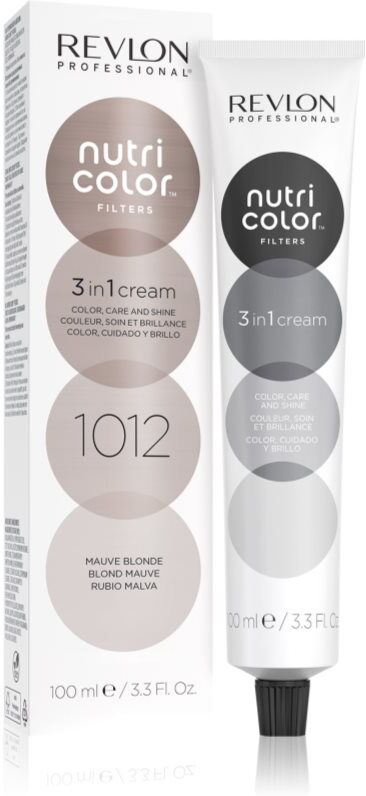
Revlon Professional Nutri Color Filters Metal-Ice masque colorant nourrissant à usage professionnel 100 mlRevlon Professional Nutri Color Filters Metal-Ice, 100 ml, Colorations semi-permanentes cheveux pour femme, Le produit : offre une belle brillance aux cheveux couleur vibrante et pleine de reflets20,90 €*Shipping: 3,45 €Secure redirect to the provider
-
What does food habitat mean?
Food habitat refers to the specific environment or area where an organism can find the food it needs to survive and thrive. It includes the types of food available, the accessibility of the food source, and the interactions between different species competing for the same resources. Understanding the food habitat of an organism is crucial for conservation efforts and ecosystem management, as it helps in predicting how changes in food availability can impact the population dynamics of species. **
-
What habitat is the sandy seabed?
The sandy seabed is a habitat found in shallow coastal waters and the deep ocean. It is characterized by a bottom covered in sand particles, with little to no vegetation or coral reefs. This habitat is home to a variety of marine organisms such as sand dollars, flatfish, and certain species of sharks and rays. The sandy seabed provides a substrate for burrowing animals and is an important feeding ground for many species of fish. **
-
How are reptiles adapted to their habitat?
Reptiles are adapted to their habitat in several ways. Some of the key adaptations include: 1. Scales or shells: Reptiles have scales or shells that help protect them from predators and harsh environmental conditions. These structures also help reduce water loss through their skin. 2. Efficient metabolism: Reptiles have a slow metabolism which allows them to survive in environments with limited food resources. They can go for long periods without eating. 3. Behavioral adaptations: Reptiles have developed various behaviors to help them survive in their habitats. For example, some species bask in the sun to regulate their body temperature, while others burrow underground to escape extreme temperatures. 4. Camouflage: Many reptiles have evolved to blend in with their surroundings, making them less visible to predators or prey. 5. Specialized senses: Reptiles have specialized senses such as heat-sensing pits, which help them detect prey or predators in their environment. Overall, these adaptations help reptiles thrive in a wide range of habitats, from deserts to rainforests. **
-
How do lifespan and habitat influence jellyfish?
Lifespan and habitat play a significant role in influencing jellyfish populations. Different species of jellyfish have varying lifespans, with some living only a few months while others can live for several years. The habitat in which jellyfish reside also impacts their population dynamics, as certain environmental conditions such as temperature, salinity, and food availability can affect their growth and reproduction rates. Additionally, changes in habitat due to human activities, such as pollution and overfishing, can lead to an increase in jellyfish populations in some areas. **
Similar search terms for Habitat
-
What biotic factors characterize the desert habitat?
Biotic factors in the desert habitat include a variety of plant species that have adapted to the arid conditions, such as cacti, succulents, and drought-resistant shrubs. In addition, desert habitats are home to a diverse range of animal species, including reptiles like snakes and lizards, mammals like coyotes and kangaroo rats, and birds like roadrunners and owls. These biotic factors have evolved to survive in the harsh desert environment, often with specialized adaptations for conserving water and finding food in the sparse landscape. **
-
What is the habitat of Corydoras hastatus?
Corydoras hastatus, also known as the dwarf corydoras or pygmy corydoras, is a small freshwater fish native to South America. It is found in the upper Orinoco and Negro river basins in Brazil and Venezuela. These fish inhabit slow-moving, shallow waters with sandy or muddy substrates, as well as areas with dense vegetation and leaf litter. They prefer well-oxygenated water and are often found in small tributaries, streams, and flooded forest areas. **
-
What is a habitat for an aquarium?
A habitat for an aquarium is a carefully designed environment that mimics the natural living conditions of the aquatic species being housed. It includes elements such as water quality, temperature, lighting, plants, rocks, and hiding spots to ensure the health and well-being of the fish or other aquatic animals. Creating a suitable habitat is essential for the inhabitants to thrive and exhibit their natural behaviors. Regular maintenance and monitoring of the habitat are also crucial to keep the aquarium ecosystem stable. **
-
How have crocodiles adapted to their habitat?
Crocodiles have adapted to their habitat in several ways. Their streamlined bodies and webbed feet help them move swiftly through water, making them efficient hunters. Their ability to regulate their body temperature by basking in the sun or cooling off in the water allows them to thrive in a range of environments. Their powerful jaws and sharp teeth are well-suited for catching and consuming prey, making them top predators in their ecosystems. **
* All prices are inclusive of VAT and, if applicable, plus shipping costs. The offer information is based on the details provided by the respective shop and is updated through automated processes. Real-time updates do not occur, so deviations can occur in individual cases. ** Note: Parts of this content were created by AI.