Buy photoshop-tutorials.be ?
We are moving the project
photoshop-tutorials.be .
Are you interested in purchasing the domain
photoshop-tutorials.be ?
domain@kv-gmbh.de · 0541-91531010
Buy photoshop-tutorials.be ?
What is the difference between standard enthalpy of formation, enthalpy of formation, and reaction enthalpy?
The standard enthalpy of formation is the enthalpy change that occurs when one mole of a compound is formed from its elements in their standard states. Enthalpy of formation is the enthalpy change that occurs when one mole of a compound is formed from its elements in their standard states, but it can be under non-standard conditions. Reaction enthalpy is the enthalpy change that occurs in a chemical reaction, which can be exothermic (heat is released) or endothermic (heat is absorbed). **
What is enthalpy?
Enthalpy is a thermodynamic property of a system that represents the total energy of the system, including its internal energy and the energy required to maintain constant pressure. It is often denoted as H and is expressed in units of joules. Enthalpy is important in understanding and analyzing processes such as chemical reactions and phase changes, as it provides a measure of the heat content of a system. In practical terms, enthalpy change is often used to quantify the heat absorbed or released during a process at constant pressure. **


Similar search terms for Enthalpy
Top-Angebote
Products related to Enthalpy:
-
Silk'n VacuPedi Refill Filters filtres de rechange pour râpe à pied électrique 4 pcsSilk'n VacuPedi Refill Filters, 4 pcs, Pédicure pour femme, Le produit Silk'n VacuPedi Refill Filters complète à la perfection votre routine quotidienne de soin de la peau. Le produit : retire la peau racornie des pieds élimine la peau dure des talons ramollit les callosités et les cors8,60 €*Shipping: 3,45 €Secure redirect to the provider
-
Revlon Professional Nutri Color Filters Toning masque colorant nourrissant à usage professionnel 512 240 mlRevlon Professional Nutri Color Filters Toning, 240 ml, Colorations semi-permanentes cheveux pour femme, Le produit : nourrit et adoucit vos cheveux couleur vibrante et pleine de reflets Mode d’emploi : Pour usage professionnel uniquement. Laissez agir pendant toute la durée indiquée sur l’emballage, puis rincez abondamment.28,30 €*Shipping: 3,45 €Secure redirect to the provider
-
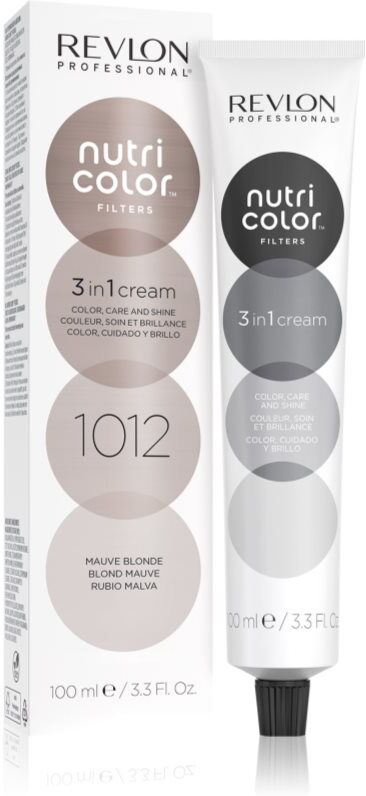
Revlon Professional Nutri Color Filters Metal-Ice masque colorant nourrissant à usage professionnel 100 mlRevlon Professional Nutri Color Filters Metal-Ice, 100 ml, Colorations semi-permanentes cheveux pour femme, Le produit : offre une belle brillance aux cheveux couleur vibrante et pleine de reflets22,00 €*Shipping: 3,45 €Secure redirect to the provider
-
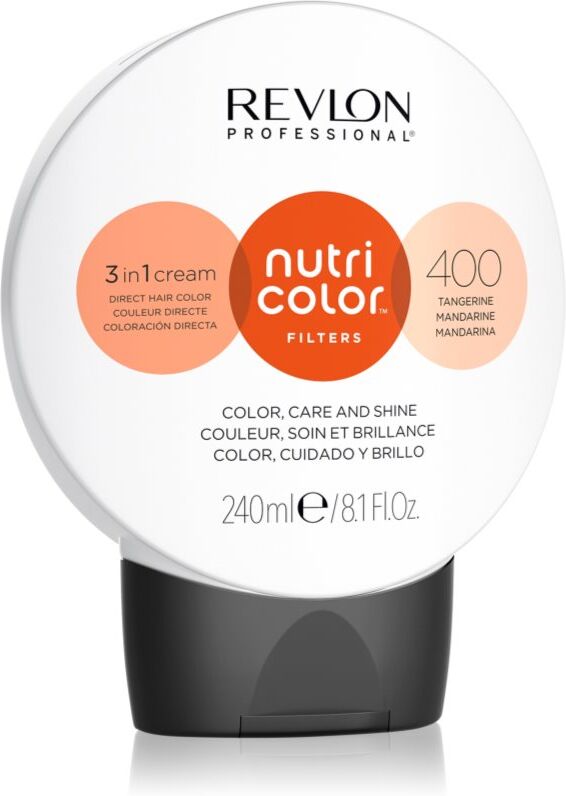
Revlon Professional Nutri Color Filters Fashion masque colorant nourrissant à usage professionnel 400 240 mlRevlon Professional Nutri Color Filters Fashion, 240 ml, Colorations semi-permanentes cheveux pour femme, Le produit : offre une belle brillance aux cheveux nourrit et adoucit vos cheveux doux pour les cheveux donne aux cheveux une subtile touche de couleur tient entre 4 et 6 semaines Mode d’emploi : Pour usage professionnel uniquement. Laissez agir pendant toute la durée indiquée sur l’emballage, puis rincez abondamment.13,68 €*Shipping: 3,45 €Secure redirect to the provider


-
What is the difference between bond enthalpy and formation enthalpy?
Bond enthalpy is the energy required to break a specific chemical bond in a molecule, while formation enthalpy is the energy change when one mole of a compound is formed from its elements in their standard states. Bond enthalpy is specific to a particular bond within a molecule, while formation enthalpy is a measure of the overall energy change in forming a compound. Bond enthalpy is typically measured in kilojoules per mole (kJ/mol), while formation enthalpy is also measured in kilojoules per mole (kJ/mol). **
-
What is Hess's law for standard formation enthalpy and combustion enthalpy?
Hess's law states that the total enthalpy change for a reaction is the same regardless of the number of steps taken to reach the final products. This principle can be applied to standard formation enthalpies and combustion enthalpies by using a series of known enthalpy changes to calculate the overall enthalpy change for a reaction. By manipulating and combining these known enthalpies, Hess's law allows us to determine the enthalpy change for reactions that may not be easily measured directly. **
-
What is the difference between standard formation enthalpy and enthalpy change?
Standard formation enthalpy is the enthalpy change that occurs when one mole of a compound is formed from its elements in their standard states. It is a specific type of enthalpy change that is measured under standard conditions. Enthalpy change, on the other hand, is a more general term that refers to the overall change in enthalpy of a system during a chemical reaction or process, regardless of whether it involves formation of a compound or not. Enthalpy change can be positive (endothermic) or negative (exothermic), depending on whether energy is absorbed or released during the process. **
-
How to calculate the reaction enthalpy from the molar bond enthalpy?
To calculate the reaction enthalpy from the molar bond enthalpy, you need to consider the difference between the sum of the bond enthalpies of the reactants and the sum of the bond enthalpies of the products. First, calculate the total bond enthalpy of all the bonds broken in the reactants, and then calculate the total bond enthalpy of all the bonds formed in the products. The reaction enthalpy is then the difference between these two values, with the bond enthalpies of the products subtracted from the bond enthalpies of the reactants. This calculation allows you to determine whether a reaction is exothermic (releasing heat) or endothermic (absorbing heat). **

What is Hess's law equation for standard formation enthalpy and combustion enthalpy?
Hess's law states that the overall enthalpy change for a reaction is the same regardless of the number of steps taken to reach the final products. For standard formation enthalpy, the equation is: ∆Hf°(products) = ∑∆Hf°(products) - ∑∆Hf°(reactants). For combustion enthalpy, the equation is: ∆Hcomb° = ∑∆Hf°(products) - ∑∆Hf°(reactants). These equations allow us to calculate the enthalpy change of a reaction using the enthalpies of formation of the reactants and products. **
What is the difference between standard enthalpy of formation and enthalpy change?
The standard enthalpy of formation is the enthalpy change that occurs when one mole of a compound is formed from its elements in their standard states. It is a specific type of enthalpy change that is measured under standard conditions. On the other hand, enthalpy change refers to the overall change in enthalpy of a system during a chemical reaction or process, which can include various types of enthalpy changes such as enthalpy of reaction, enthalpy of combustion, or enthalpy of solution. In summary, standard enthalpy of formation is a specific type of enthalpy change that relates to the formation of a compound from its elements, while enthalpy change is a broader term that encompasses various types of enthalpy changes in a system. **
Top-Angebote
Products related to Enthalpy:
-
Aveda Beautifying Composition Oil huile sublimatrice pour le bain pour visage et corps 50 mlAveda Beautifying Composition Oil, 50 ml, Huiles de bains pour femme, Vous avez l’impression que votre lait ou votre crème ne suffit pas à combler les besoins de votre peau ? L’huile pour le corps Aveda Beautifying Composition Oil complète idéalement n’importe quelle routine de soins. Elle fournit à la peau une bonne dose de nutriments, tout en contribuant à sa régénération et en l’adoucissant. Le produit : hydrate en profondeur s’absorbe facilement ralentit le vieillissement laisse la peau du corps parfaitement soyeuse Composition du produit : produit végétalien Mode d’emploi : Suivez les instructions du manuel joint.23,60 €*Shipping: 3,45 €Secure redirect to the provider
-
LANCER PRO POLISH MICRODERMABRASION DEVICE FILTERS filtres de rechange 1 pcsLANCER PRO POLISH MICRODERMABRASION DEVICE FILTERS, 1 pcs, Accessoires pour femme, Les soins de la peau ne se résument pas à des crèmes, des sérums, des toniques, des gels ou des peelings. Différents types d’accessoires cosmétiques spéciaux peuvent améliorer votre routine de soins. Le produit LANCER PRO POLISH MICRODERMABRASION DEVICE FILTERS constitue un excellent complément aux produits que vous utilisez déjà, et rend votre peau encore plus belle.17,20 €*Shipping: 3,45 €Secure redirect to the provider
-
Silk'n VacuPedi Refill Filters filtres de rechange pour râpe à pied électrique 4 pcsSilk'n VacuPedi Refill Filters, 4 pcs, Pédicure pour femme, Le produit Silk'n VacuPedi Refill Filters complète à la perfection votre routine quotidienne de soin de la peau. Le produit : retire la peau racornie des pieds élimine la peau dure des talons ramollit les callosités et les cors8,60 €*Shipping: 3,45 €Secure redirect to the provider
-
Revlon Professional Nutri Color Filters Toning masque colorant nourrissant à usage professionnel 512 240 mlRevlon Professional Nutri Color Filters Toning, 240 ml, Colorations semi-permanentes cheveux pour femme, Le produit : nourrit et adoucit vos cheveux couleur vibrante et pleine de reflets Mode d’emploi : Pour usage professionnel uniquement. Laissez agir pendant toute la durée indiquée sur l’emballage, puis rincez abondamment.28,30 €*Shipping: 3,45 €Secure redirect to the provider
-
What is the difference between standard enthalpy of formation, enthalpy of formation, and reaction enthalpy?
The standard enthalpy of formation is the enthalpy change that occurs when one mole of a compound is formed from its elements in their standard states. Enthalpy of formation is the enthalpy change that occurs when one mole of a compound is formed from its elements in their standard states, but it can be under non-standard conditions. Reaction enthalpy is the enthalpy change that occurs in a chemical reaction, which can be exothermic (heat is released) or endothermic (heat is absorbed). **
-
What is enthalpy?
Enthalpy is a thermodynamic property of a system that represents the total energy of the system, including its internal energy and the energy required to maintain constant pressure. It is often denoted as H and is expressed in units of joules. Enthalpy is important in understanding and analyzing processes such as chemical reactions and phase changes, as it provides a measure of the heat content of a system. In practical terms, enthalpy change is often used to quantify the heat absorbed or released during a process at constant pressure. **
-
What is the difference between bond enthalpy and formation enthalpy?
Bond enthalpy is the energy required to break a specific chemical bond in a molecule, while formation enthalpy is the energy change when one mole of a compound is formed from its elements in their standard states. Bond enthalpy is specific to a particular bond within a molecule, while formation enthalpy is a measure of the overall energy change in forming a compound. Bond enthalpy is typically measured in kilojoules per mole (kJ/mol), while formation enthalpy is also measured in kilojoules per mole (kJ/mol). **
-
What is Hess's law for standard formation enthalpy and combustion enthalpy?
Hess's law states that the total enthalpy change for a reaction is the same regardless of the number of steps taken to reach the final products. This principle can be applied to standard formation enthalpies and combustion enthalpies by using a series of known enthalpy changes to calculate the overall enthalpy change for a reaction. By manipulating and combining these known enthalpies, Hess's law allows us to determine the enthalpy change for reactions that may not be easily measured directly. **
Similar search terms for Enthalpy
-
Revlon Professional Nutri Color Filters Metal-Ice masque colorant nourrissant à usage professionnel 100 mlRevlon Professional Nutri Color Filters Metal-Ice, 100 ml, Colorations semi-permanentes cheveux pour femme, Le produit : offre une belle brillance aux cheveux couleur vibrante et pleine de reflets22,00 €*Shipping: 3,45 €Secure redirect to the provider
-
Revlon Professional Nutri Color Filters Fashion masque colorant nourrissant à usage professionnel 400 240 mlRevlon Professional Nutri Color Filters Fashion, 240 ml, Colorations semi-permanentes cheveux pour femme, Le produit : offre une belle brillance aux cheveux nourrit et adoucit vos cheveux doux pour les cheveux donne aux cheveux une subtile touche de couleur tient entre 4 et 6 semaines Mode d’emploi : Pour usage professionnel uniquement. Laissez agir pendant toute la durée indiquée sur l’emballage, puis rincez abondamment.13,68 €*Shipping: 3,45 €Secure redirect to the provider
-
Revlon Professional Nutri Color Filters Metal-Ice masque colorant nourrissant à usage professionnel 1022 240 mlRevlon Professional Nutri Color Filters Metal-Ice, 240 ml, Colorations semi-permanentes cheveux pour femme, Le produit : offre une belle brillance aux cheveux couleur vibrante et pleine de reflets21,47 €*Shipping: 3,45 €Secure redirect to the provider
-
Revlon Professional Nutri Color Filters Metal-Ice masque colorant nourrissant à usage professionnel 100 mlRevlon Professional Nutri Color Filters Metal-Ice, 100 ml, Colorations semi-permanentes cheveux pour femme, Le produit : offre une belle brillance aux cheveux couleur vibrante et pleine de reflets20,90 €*Shipping: 3,45 €Secure redirect to the provider
-
What is the difference between standard formation enthalpy and enthalpy change?
Standard formation enthalpy is the enthalpy change that occurs when one mole of a compound is formed from its elements in their standard states. It is a specific type of enthalpy change that is measured under standard conditions. Enthalpy change, on the other hand, is a more general term that refers to the overall change in enthalpy of a system during a chemical reaction or process, regardless of whether it involves formation of a compound or not. Enthalpy change can be positive (endothermic) or negative (exothermic), depending on whether energy is absorbed or released during the process. **
-
How to calculate the reaction enthalpy from the molar bond enthalpy?
To calculate the reaction enthalpy from the molar bond enthalpy, you need to consider the difference between the sum of the bond enthalpies of the reactants and the sum of the bond enthalpies of the products. First, calculate the total bond enthalpy of all the bonds broken in the reactants, and then calculate the total bond enthalpy of all the bonds formed in the products. The reaction enthalpy is then the difference between these two values, with the bond enthalpies of the products subtracted from the bond enthalpies of the reactants. This calculation allows you to determine whether a reaction is exothermic (releasing heat) or endothermic (absorbing heat). **
-
What is Hess's law equation for standard formation enthalpy and combustion enthalpy?
Hess's law states that the overall enthalpy change for a reaction is the same regardless of the number of steps taken to reach the final products. For standard formation enthalpy, the equation is: ∆Hf°(products) = ∑∆Hf°(products) - ∑∆Hf°(reactants). For combustion enthalpy, the equation is: ∆Hcomb° = ∑∆Hf°(products) - ∑∆Hf°(reactants). These equations allow us to calculate the enthalpy change of a reaction using the enthalpies of formation of the reactants and products. **
-
What is the difference between standard enthalpy of formation and enthalpy change?
The standard enthalpy of formation is the enthalpy change that occurs when one mole of a compound is formed from its elements in their standard states. It is a specific type of enthalpy change that is measured under standard conditions. On the other hand, enthalpy change refers to the overall change in enthalpy of a system during a chemical reaction or process, which can include various types of enthalpy changes such as enthalpy of reaction, enthalpy of combustion, or enthalpy of solution. In summary, standard enthalpy of formation is a specific type of enthalpy change that relates to the formation of a compound from its elements, while enthalpy change is a broader term that encompasses various types of enthalpy changes in a system. **
* All prices are inclusive of VAT and, if applicable, plus shipping costs. The offer information is based on the details provided by the respective shop and is updated through automated processes. Real-time updates do not occur, so deviations can occur in individual cases. ** Note: Parts of this content were created by AI.